If your commercial lease is coming to an end, you may have already heard the term dilapidations. It's an important part of the process when leaving a commercial property, but one that businesses don't always think about until they're preparing to move out.
Depending on the terms of your lease, you may be required to carry out repairs, remove alterations or return the property to an agreed condition before handing it back to the landlord. Understanding your responsibilities early can help you avoid unexpected costs, delays and disagreements at the end of your tenancy.
What are dilapidations?
Dilapidations refer to breaches of a tenant's obligations relating to the condition of a commercial property, usually set out in the lease.
When your tenancy comes to an end, your landlord may assess the property to identify any repairs, maintenance or reinstatement work you're responsible for.
These requirements are often outlined in a schedule of dilapidations, prepared by the landlord's surveyor. This document identifies the work they believe is required and may include estimated costs.
However, the work you're responsible for will depend on the terms of your lease, any agreed alterations and the condition of the property when you took it on.
What could your business be responsible for?
While every lease is different, dilapidations requirements commonly cover three main areas.
1. Repairs and maintenance
You may be responsible for repairing damage or deterioration to parts of the property covered by your lease obligations.
This could include damaged walls, flooring, ceilings, doors or other fixtures and fittings.
The extent of your responsibility depends on your lease, including whether you're required to keep the property in repair or return it in a particular condition.
2. Redecoration
Many commercial leases include requirements to redecorate the premises at certain intervals or before the tenancy ends.
This could involve repainting walls, refreshing finishes or completing other decorative work to meet the agreed standard.
3. Reinstatement of alterations
If you've made changes to the property during your tenancy, you may be required to remove them before handing it back.
For example, this could include:
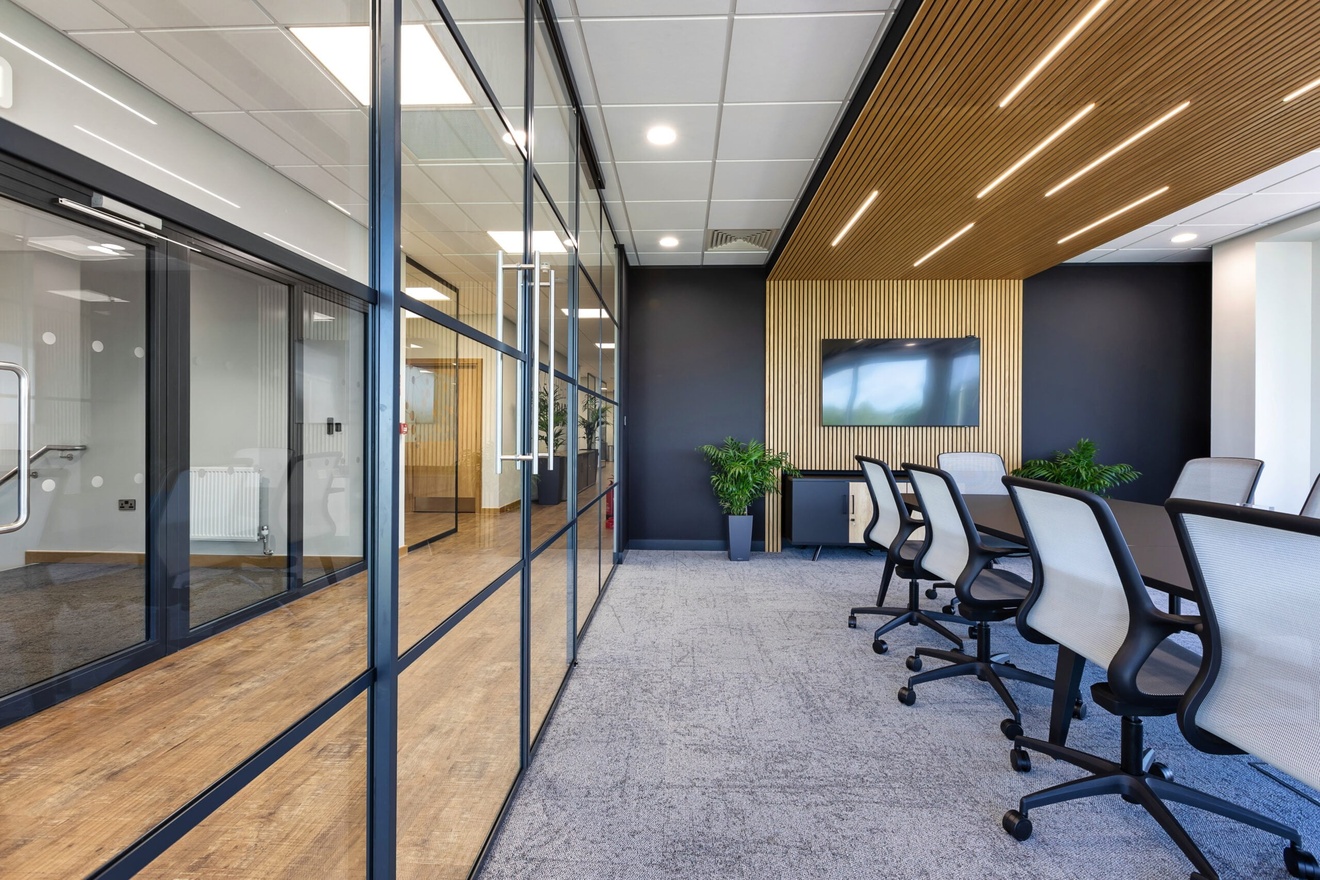
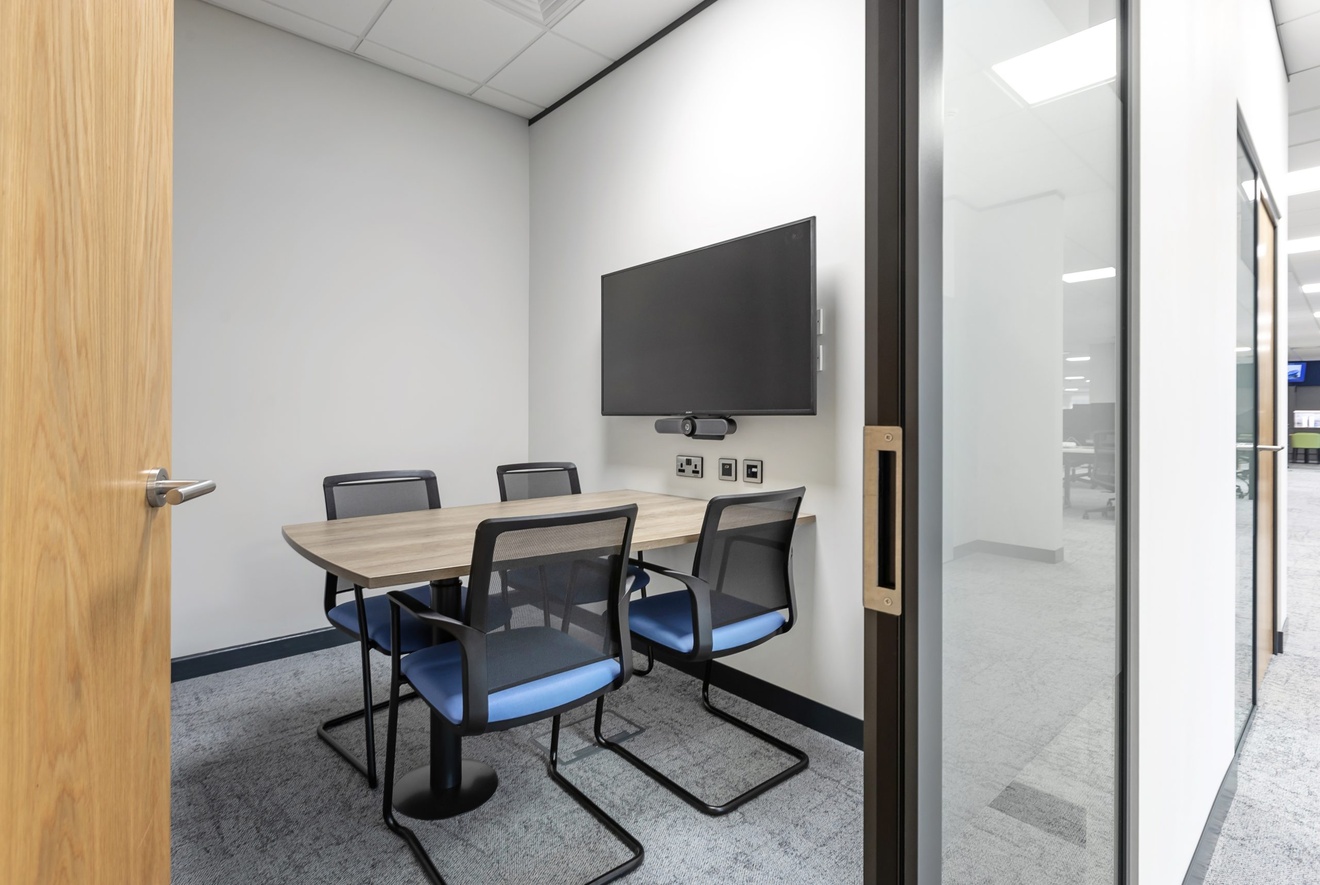
- Removing internal partitions or meeting rooms
- Taking out fitted kitchens or other installations
- Removing additional cabling and electrical fittings
- Reinstating ceilings, flooring or other altered areas
- Returning the layout to its previous arrangement
Whether these changes need to be reversed will depend on your lease, any licences for alterations and the landlord's requirements.

Why is it important to plan ahead?
Dilapidations can become more complicated when they're left until the final weeks of a tenancy.
Businesses are often already managing an office move, organising equipment and preparing their new premises. Having to arrange repairs and reinstatement work at the same time can add unnecessary pressure.
Planning ahead gives you time to understand your obligations, assess the condition of the property and organise any necessary work.
It can also help you identify potential costs earlier and reduce the risk of delays when handing the premises back.
If you've received a schedule of dilapidations, it's worth having it reviewed by a suitably qualified surveyor to establish which items you're responsible for before agreeing to the proposed works or costs.
How Oaktree Interiors can help
At Oaktree Interiors, we help businesses prepare commercial properties for handover by carrying out the repair, refurbishment and reinstatement works required at the end of a lease.
Whether you need partitions removed, flooring replaced, walls redecorated or a more extensive refurbishment, our team can manage the works from planning through to completion.
By coordinating the different elements of the project, we help make the process more straightforward and ensure the agreed work is completed to the required standard.
We understand that businesses often have tight deadlines when vacating a property, so careful planning and clear communication are an important part of our approach.
Preparing to leave your commercial property?
If your lease is coming to an end, it's worth reviewing your responsibilities sooner rather than later. Understanding what needs to be done and allowing enough time for the work can make handing back your premises much easier.
At Oaktree Interiors, we can help you plan and complete the necessary dilapidations works, so you can focus on your next move.
Get in touch with our team to discuss your requirements and how we can help.