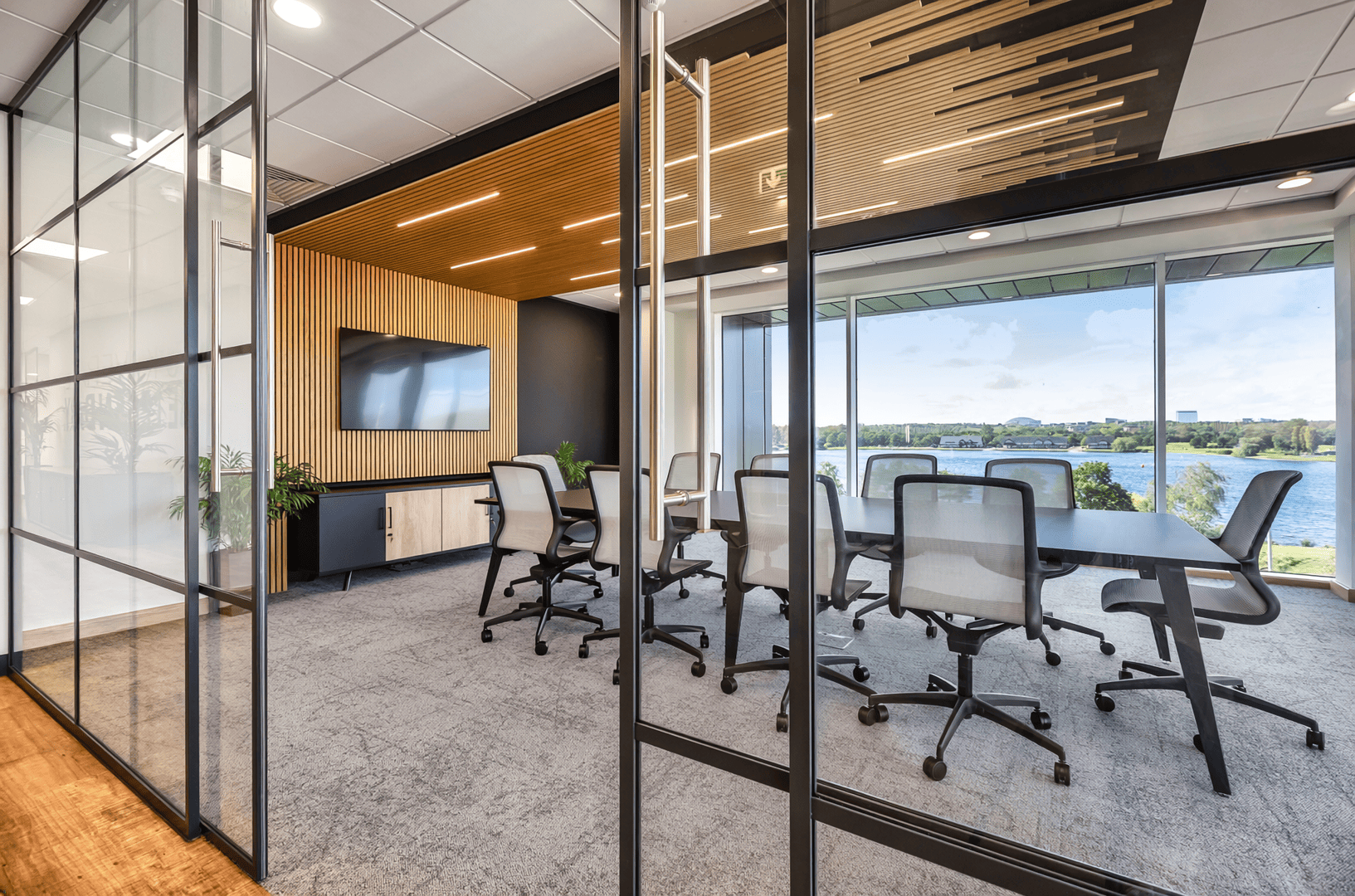
Commercial design and build is about creating environments that support the people working in them. Here's how design choices affect employee productivity and wellbeing - and what actually makes a difference.
The Link Between Design and Productivity
Productivity isn't just about effort or motivation, it’s affected by the environment people work in.
Lighting: Poor lighting causes eye strain, headaches and fatigue. Natural light improves mood, energy levels, and sleep quality. Good commercial design maximises natural light where possible and uses quality artificial lighting where required.
Acoustics: Open-plan offices fail when acoustic treatment is ignored. Constant noise and conversation make concentration nearly impossible. Proper acoustic design includes sound-absorbing materials, acoustic panels, strategic layout planning and creating zones for different types of work.
Layout: How your office is laid out affects how efficiently people can work. If collaboration spaces are poorly positioned, people won't use them. If quiet focus areas don't exist, concentrated work becomes difficult. Good design places things where they make sense.
Temperature & air quality: Too hot, too cold, or poor air quality all reduce productivity. People can't focus when they're uncomfortable. Proper HVAC systems are fundamental to creating an environment where people can work effectively.
How Design Affects Wellbeing
Wellbeing at work isn't just about gym memberships or mental health days. It's affected by the physical environment every single day.
Ergonomic furniture: Uncomfortable chairs, poorly positioned desks and bad posture cause back pain, neck strain and long-term health issues. These aren't minor inconveniences - they lead to sick days and reduced productivity. Investing in proper ergonomic furniture is essential for employee health.
Biophilic design: Access to elements of nature improves mental wellbeing. Plants, natural materials, natural light and greenery all reduce stress and improve mood. Incorporating biophilic elements into office design can affect how people feel at work.
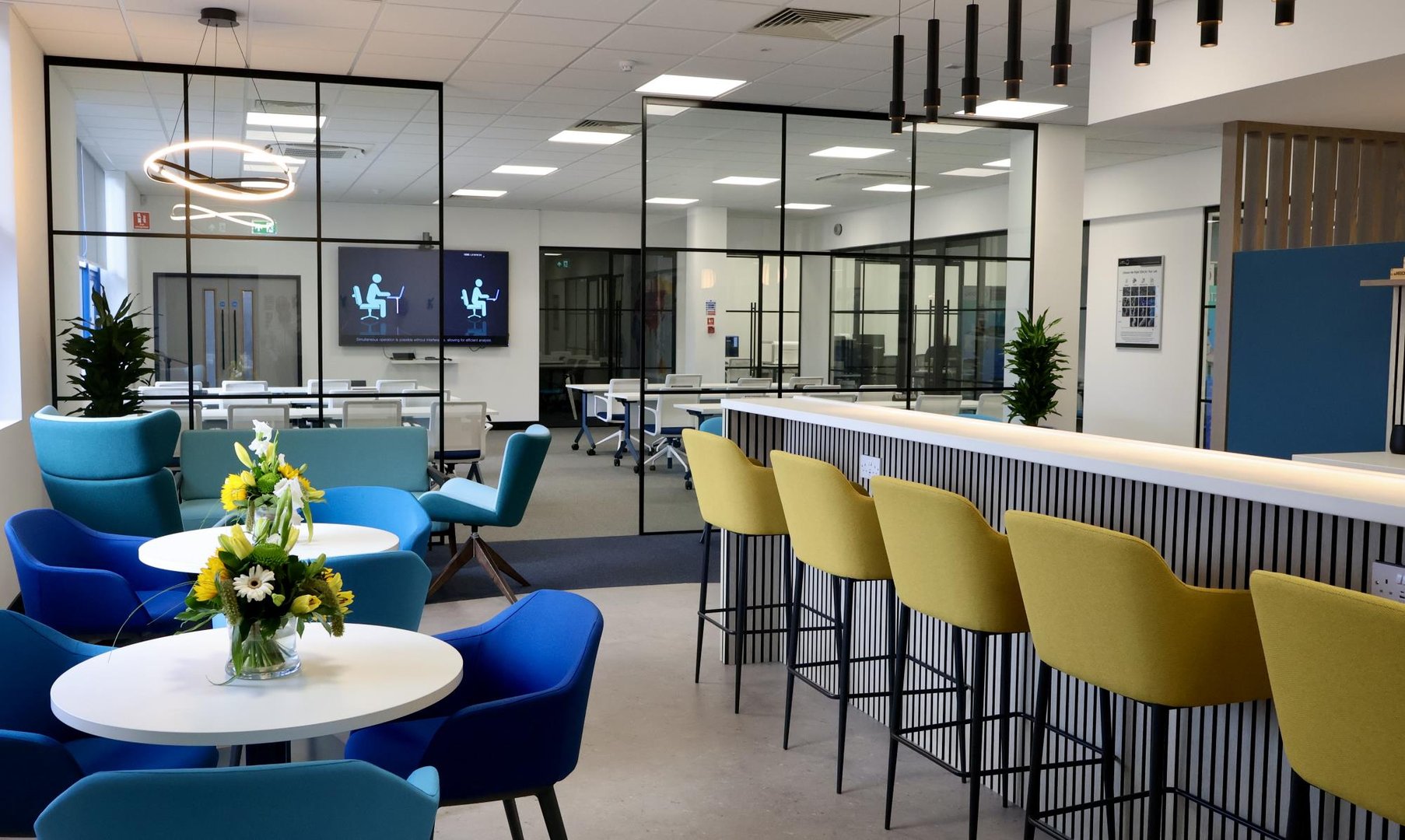
Breakout spaces: People need breaks. But if there's nowhere comfortable to take them, people either skip breaks (leading to burnout) or take them at their desks (which isn't actually a break). Proper breakout spaces - comfortable furniture, good lighting, positioned away from work areas - give people room to mentally recover during the day.
Space design: Isolation at work affects mental health. Offices that prevent casual interaction can make people feel disconnected from their colleagues. Good design creates opportunities for natural social interaction.
The Business Impact
Poor office design has measurable business costs.
Recruitment and retention: Your office is part of your employer brand. Candidates judge you based on your workspace. Employees decide whether to stay partly based on their work environment. A well-designed office attracts better candidates and keeps good people longer.
Sick days: Poor ergonomics, bad air quality, inadequate lighting and high stress all lead to sick days. Worse, they lead to presenteeism - people at work but not productive because they don't feel well. Investing in proper design reduces both.
Productivity: Even small productivity improvements compound across your entire team over a year. That's significant. Proper lighting, good acoustics, comfortable furniture and thoughtful layout all contribute to people working more effectively.
Commercial design and build that supports productivity and wellbeing isn't about trends or aesthetics. It's about understanding how environments affect people and making informed decisions.
It requires:
- Understanding how your team works
- Investing in elements that directly affect health and productivity
- Designing for long-term use, not just initial impact
The return?
- Better recruitment and retention
- Fewer sick days
- Improved productivity
- Higher employee satisfaction
- Better business performance overall
Your office environment matters. It affects how people feel, how well they work and whether they stay. Getting the design right is fundamental to business success.