
There are a lot of moving parts - design decisions, budgets, timelines, on-site works - and it’s not always clear what happens when. Having a basic understanding of the process can make everything feel much more manageable.
Here’s an overview of what to expect.
1. Initial consultation
Everything starts with a conversation. This is where you outline what you need from the space, how your team works and what you’re trying to achieve. It’s also a chance to talk through budget, timelines and any constraints early on. At this stage, the goal is to get a clear brief in place.
2. Site survey & feasibility
Once the brief is agreed, the space is assessed in detail. This includes measuring up, reviewing the existing space and identifying any limitations or opportunities within the building. It helps inform everyone of what’s realistically achievable before the design process begins.
3. Concept design
With the groundwork in place, initial design ideas can be developed. This usually includes layout options, space planning and early visual concepts to show how the space could look and function. It’s a collaborative stage between the client and fit-out partner, with feedback helping refine the direction.
4. Detailed design & cost planning
Once the concept is agreed, the design is developed further. This is where materials, finishes, furniture and technical elements are specified. At the same time, costs are finalised to ensure everything aligns with your budget before moving forward.
5. Pre-construction
Before work starts on site, there’s a lot happening behind the scenes. Drawings are finalised, approvals are secured, materials are ordered and a detailed programme is put together. Getting this stage right is key to avoiding delays later on.
6. On-site works
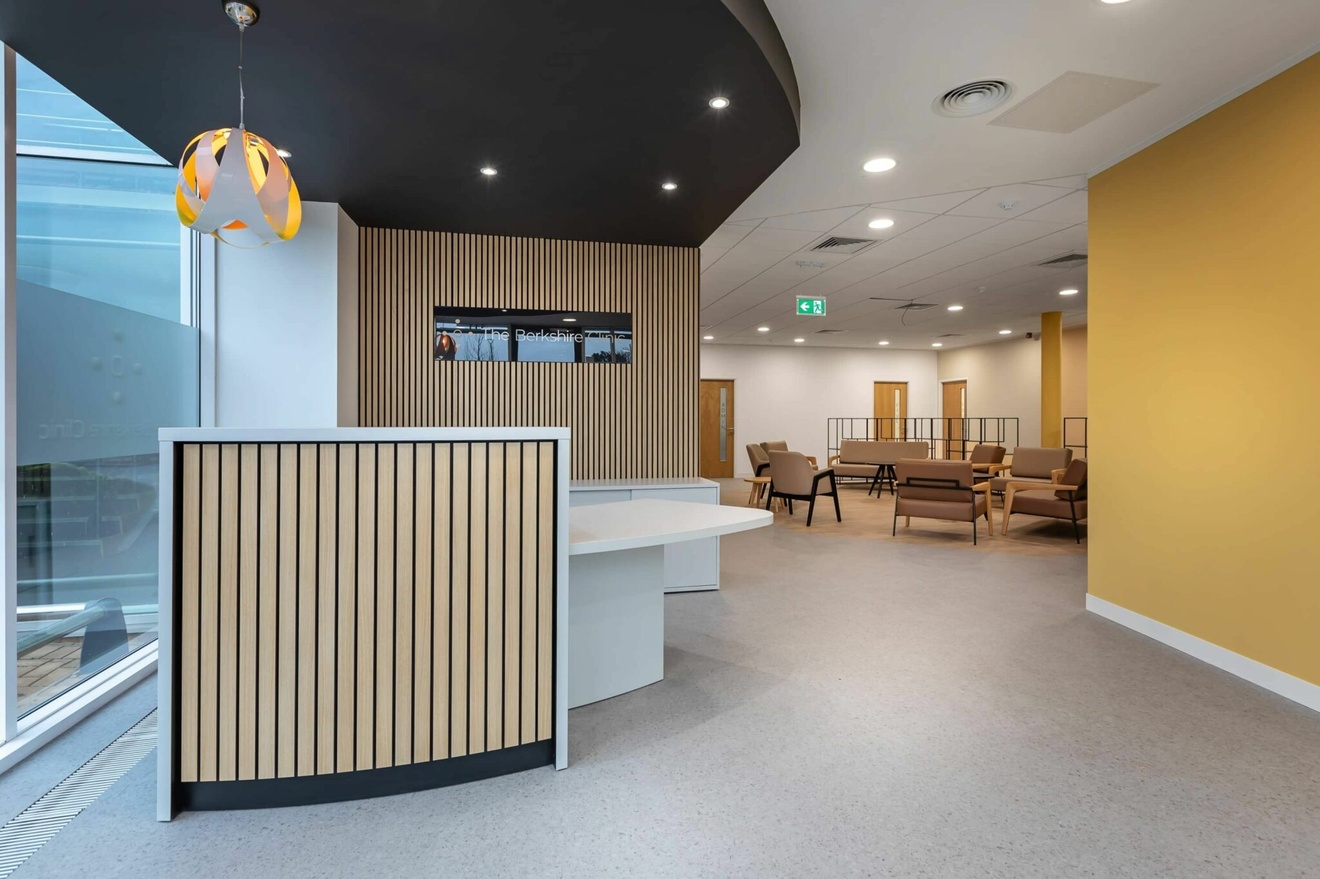
This is where the transformation really begins. Depending on the project, works may include partitioning, ceilings, flooring and mechanical and electrical installation. A project manager will typically oversee the process, keeping everything on track and ensuring quality standards are met. Regular communication during this stage is important, so you always know how things are progressing.
7. Finishing & snagging
As the project nears completion, the focus shifts to the finer details. Final finishes are completed, furniture is installed and any minor issues (snags) are identified and resolved to make sure everything is delivered to the expected standard.
8. Handover
Once everything is complete, the space is handed over ready for occupation. You’ll receive the relevant documentation and the space should be fully operational from day one.
Every project is slightly different, but the overall process tends to follow this structure.
The key to a successful fit-out is good planning, clear communication and working with a team that can guide you through each stage.
If you know what to expect from the outset, the whole process becomes much more straightforward - and the end result is a space that works properly for your business.